

Complete cold room kits · panels + door + refrigeration
Walk-In Coolers & Walk-In Freezers
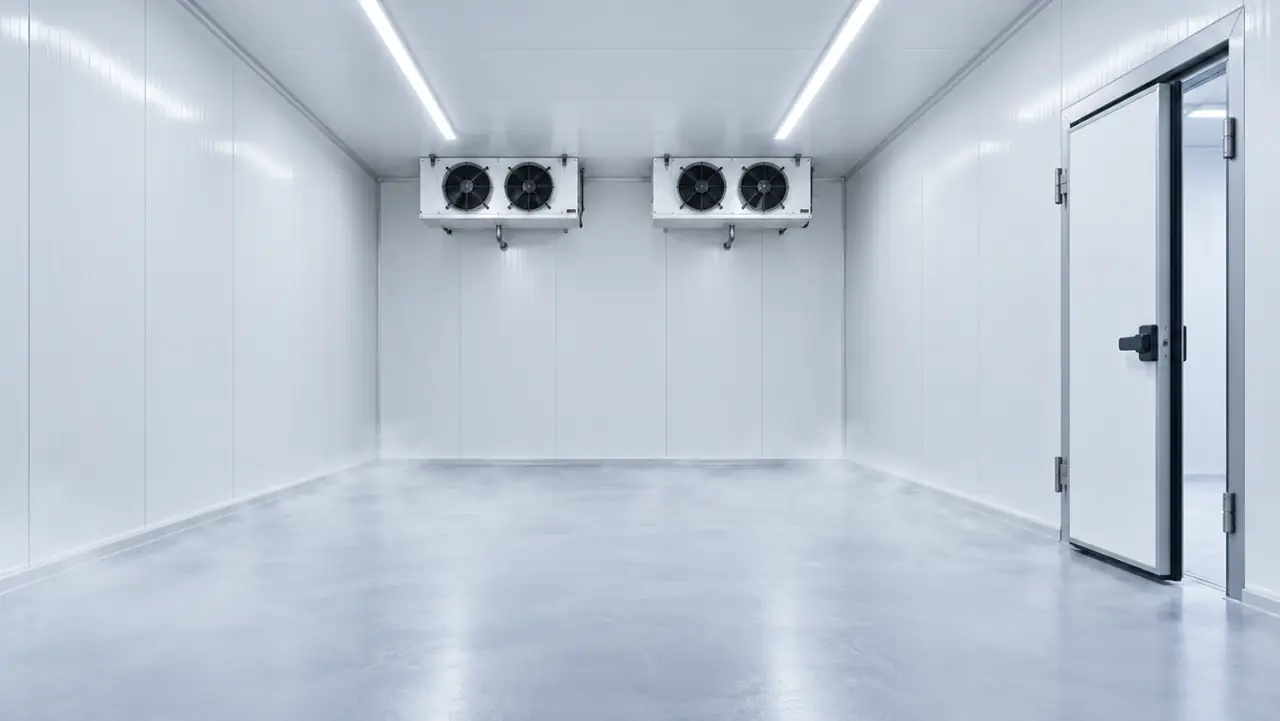
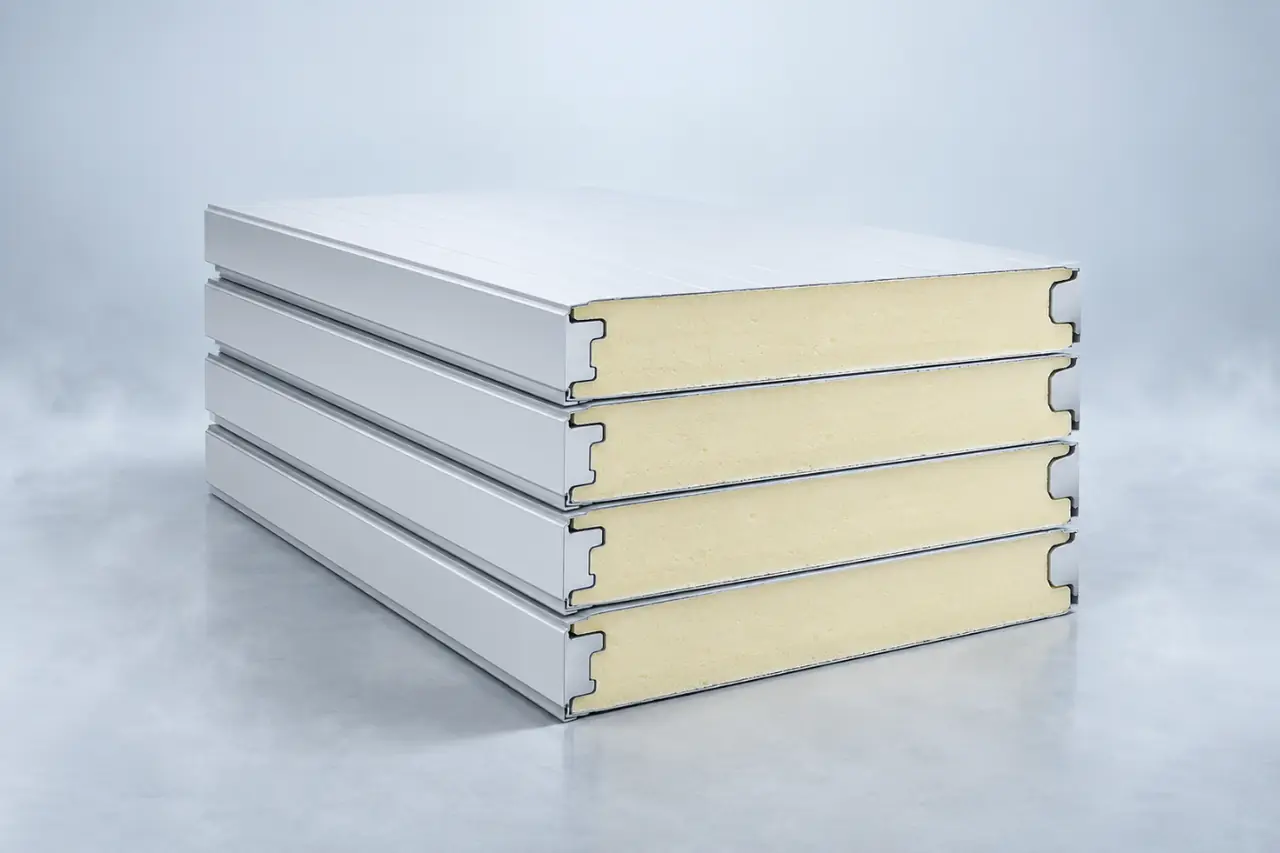
A Be There walk-in cold room kit includes PU or PIR panels (75–200 mm), a hinged or sliding insulated door, a matched condensing unit and evaporator, a digital controller, lighting and fixings. Chillers hold 0 °C to +10 °C, freezers −18 °C to −25 °C, blast rooms down to −35 °C.
 −35 to +10 °C
Specifications
Typical models.
Walk-in coolers, walk-in freezers and blast rooms delivered as one kit: insulated panels cut to your layout, door, refrigeration unit, evaporator, controller and every accessory, ready to assemble on site. Values are typical; we configure voltage, size or capacity and confirm data on the quotation.
| Configuration | Inner size (L × W × H) | Room temperature | Panels | Refrigeration | Typical use |
|---|---|---|---|---|---|
| Small chiller | 2.0 × 2.0 × 2.2 m | 0 °C to +8 °C | 75–100 mm PU | Monoblock (plug-in), about 1–1.5 HP | Restaurants, florists, pharmacies |
| Medium chiller | 3.0 × 2.5 × 2.4 m | 0 °C to +5 °C | 100 mm PU | Split condensing unit, about 2–3 HP | Supermarkets, meat and dairy |
| Medium freezer | 3.0 × 3.0 × 2.4 m | −18 °C to −20 °C | 120–150 mm PU / PIR | Low-temp split unit, about 2–3 HP | Frozen food, ice cream, ice storage |
| Large freezer | 6.0 × 4.0 × 3.0 m | −18 °C to −25 °C | 150 mm PIR | Low-temp condensing unit, about 5–8 HP | Distribution, seafood |
| Blast room | 3.0 × 2.5 × 2.4 m | to −35 °C | 150–200 mm PIR | Sized to product load per batch | Seafood, bakery, meat processing |
≈ approximate, measured at standard test conditions.
Features
Built for daily commercial use.
Cut to your layout
Panels are produced to your inner dimensions with corners, ceiling and floor panels numbered for assembly.
Matched refrigeration
The condensing unit and evaporator are sized from your room volume, temperature and daily product load.
Freezer-ready details
Heated door frame, pressure-relief valve, insulated floor and anti-frost options for rooms below 0 °C.
Installation support
Assembly drawings, video guidance and an optional engineer visit for large rooms.
Applications
Where it works.
- Restaurants and hotels
- Supermarkets
- Meat and seafood
- Fruit and vegetables
- Pharmaceutical storage
- Ice storage rooms
- Florists
- Breweries and beer coolers
How much does a walk-in freezer cost?
What is the difference between a walk-in cooler and a walk-in freezer?
Can a walk-in cold room be installed outdoors?
How long does assembly take?
How much is a walk in cooler?
What sizes do walk in coolers come in?
What is a walk in cooler and freezer combo?
What size cooling unit do I need for a walk in cooler?
What are the main walk in cooler components?
What makes a walk in cooler energy efficient?
How thick are walk in cooler walls?
Buyer's guides
Before you order.
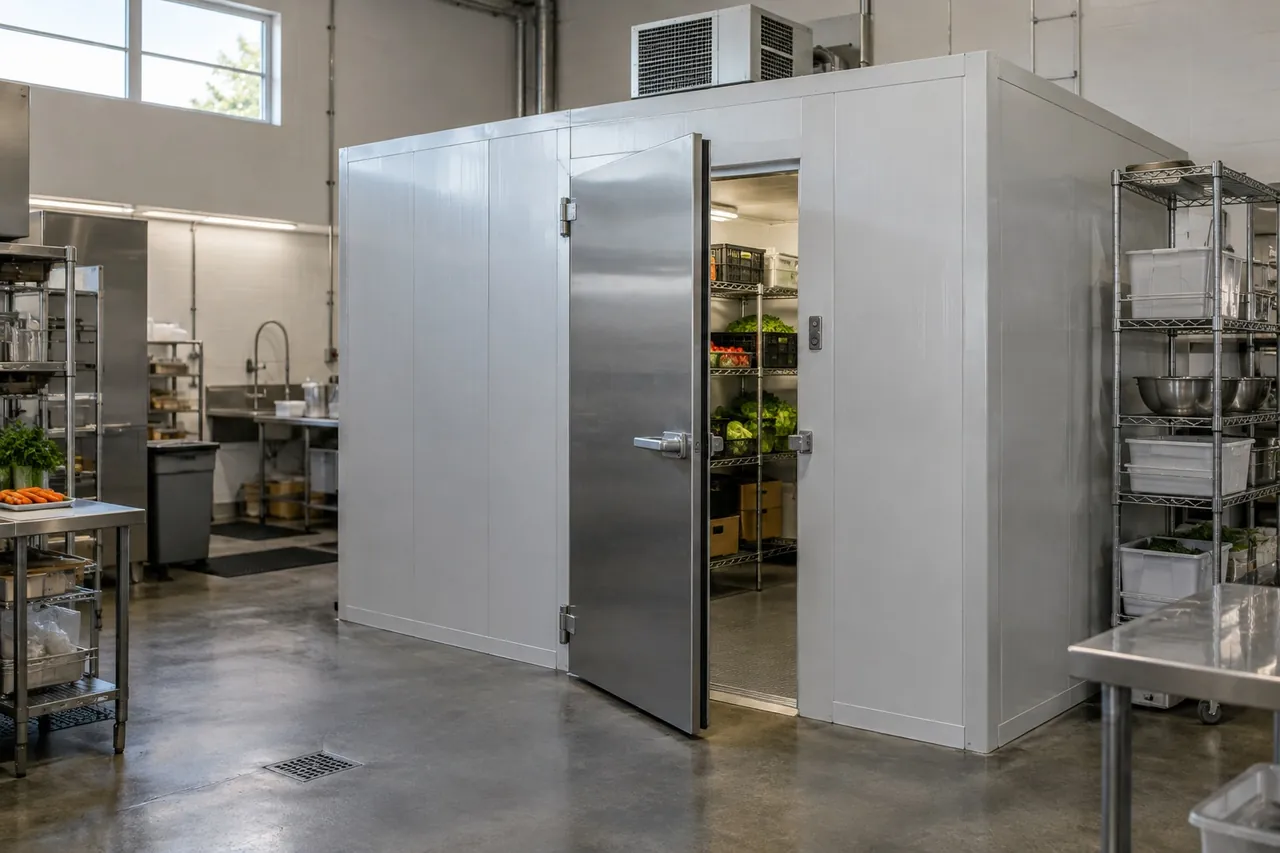
A walk in cooler is a room-sized refrigerated store built from insulated panels with a door and refrigeration unit. Be There walk in coolers and freezers come as complete modular kits: PU or PIR panels 75–200 mm thick, door, condensing unit, evaporator, controller and lighting. Choose a small walk in cooler for a restaurant, a large walk in cooler for distribution, or a walk in cooler and freezer combo with a shared wall. Outdoor walk in cooler versions add a roof and weatherproof condensing unit.
Buying guide9 min read
Walk-In Cooler Cost: Walk-In Fridge and Freezer Prices Explained
Typical price ranges for walk-in coolers and freezers by size, what drives each line of the quote, and where buyers can save without cutting corners.
Read the guide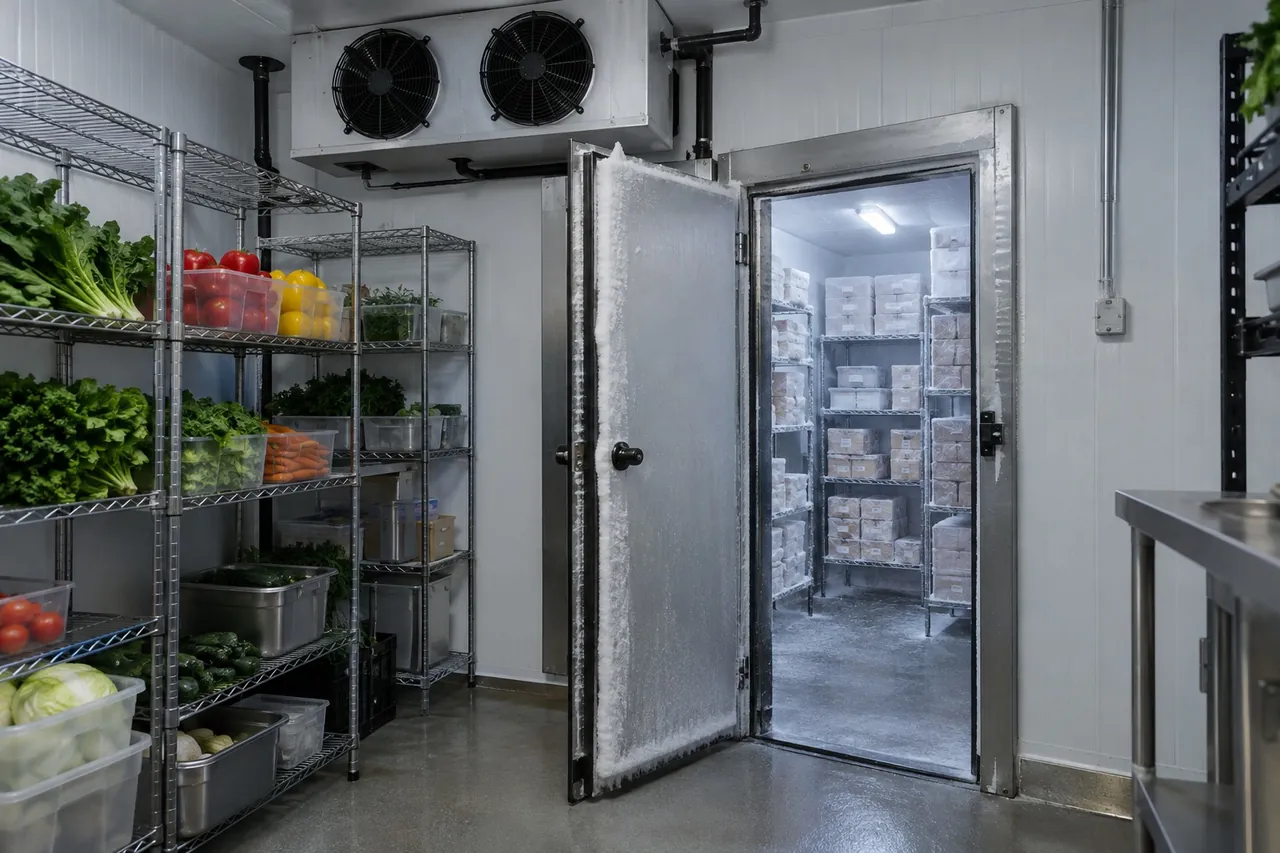
Technical9 min read
Walk-In Freezer vs Walk-In Cooler: Temperatures, Panels and Refrigeration
A walk-in cooler and a walk-in freezer look alike from outside. Inside, the temperature, insulation, floor, door and refrigeration are all different.
Read the guide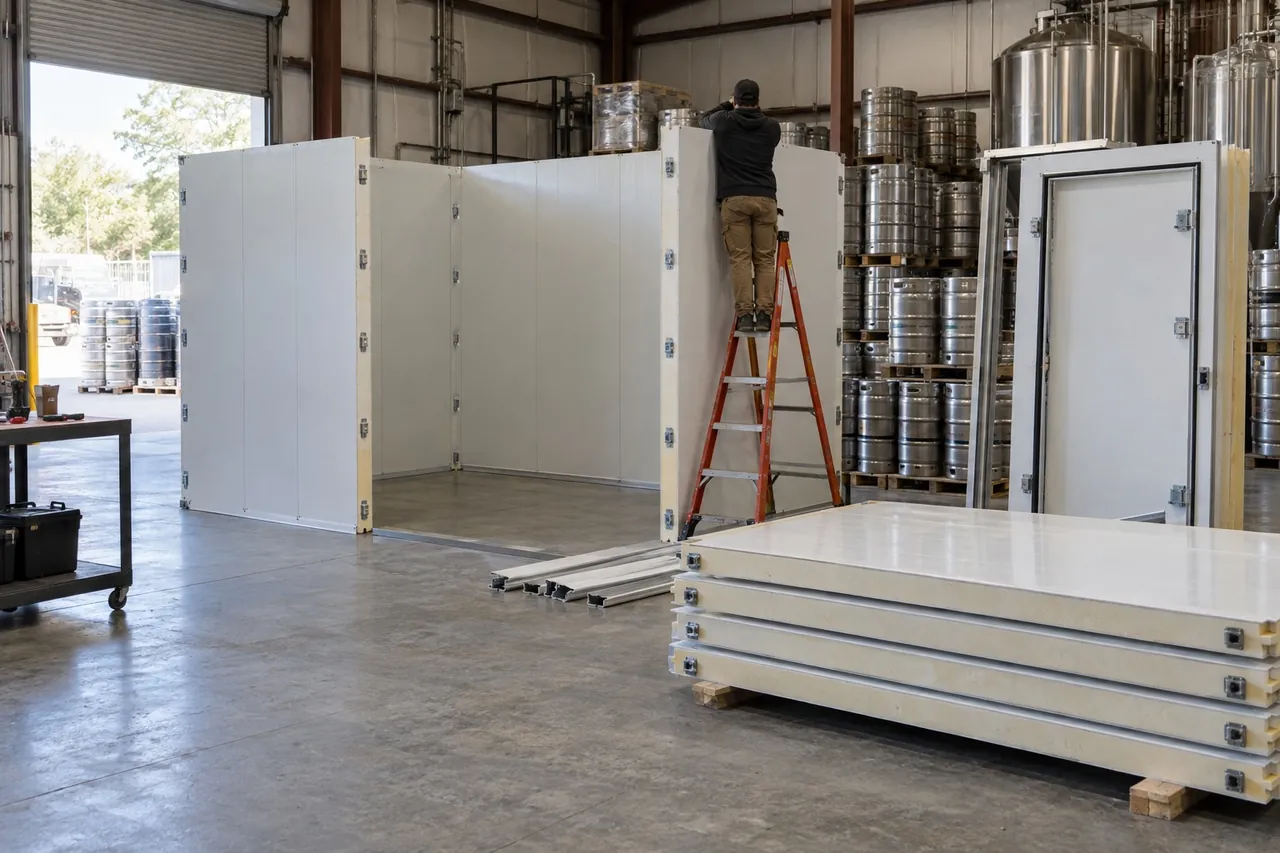
Technical10 min read
DIY Walk-In Cooler: Panel Kit vs Stud Wall and Air Conditioner Builds
You can build your own walk-in cooler. The real question is which route gives a cold, dry, inspectable room for your budget and use.
Read the guide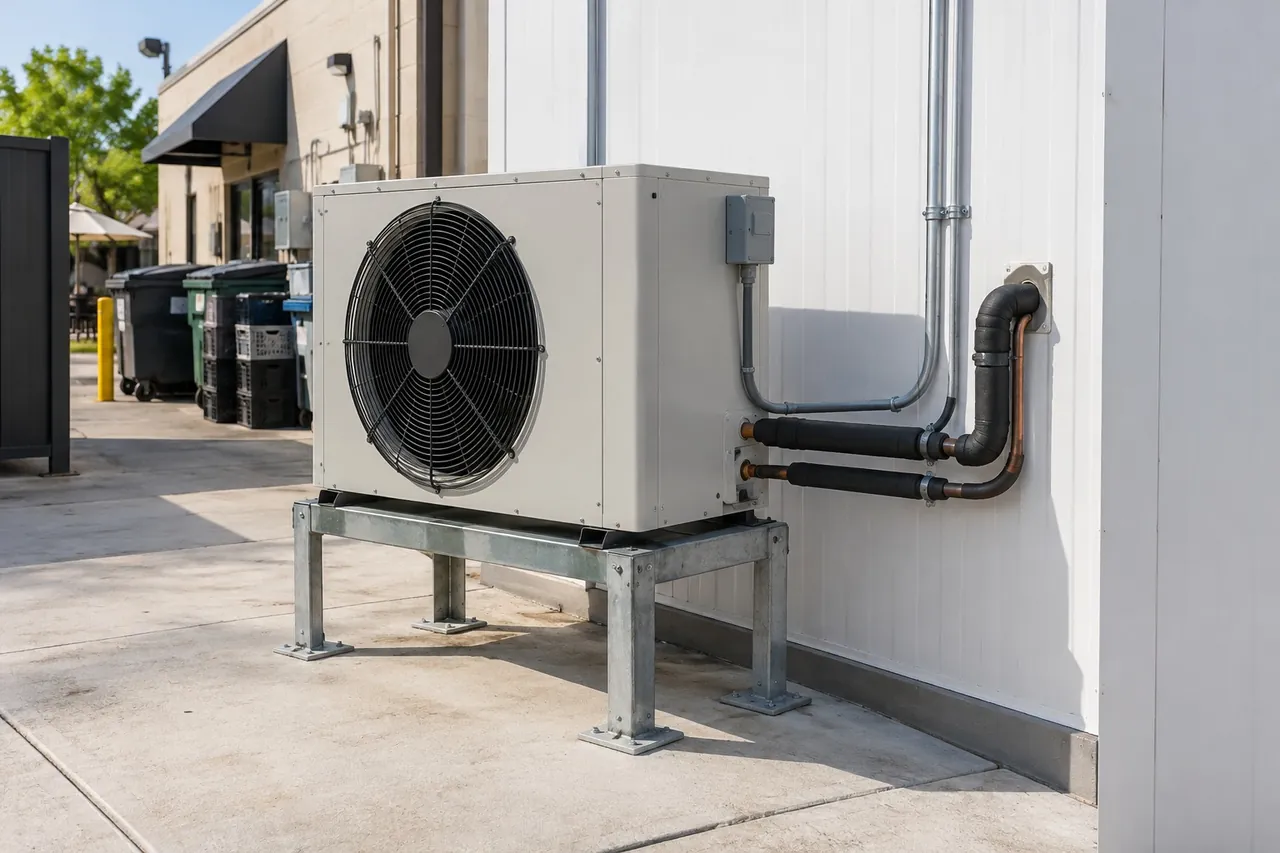
Technical10 min read
Condensing Unit and Evaporator Guide for Walk-In Cooler Refrigeration
The refrigeration system decides whether a walk-in holds temperature on the hottest day. Here is how each part works and how to choose the right type.
Read the guide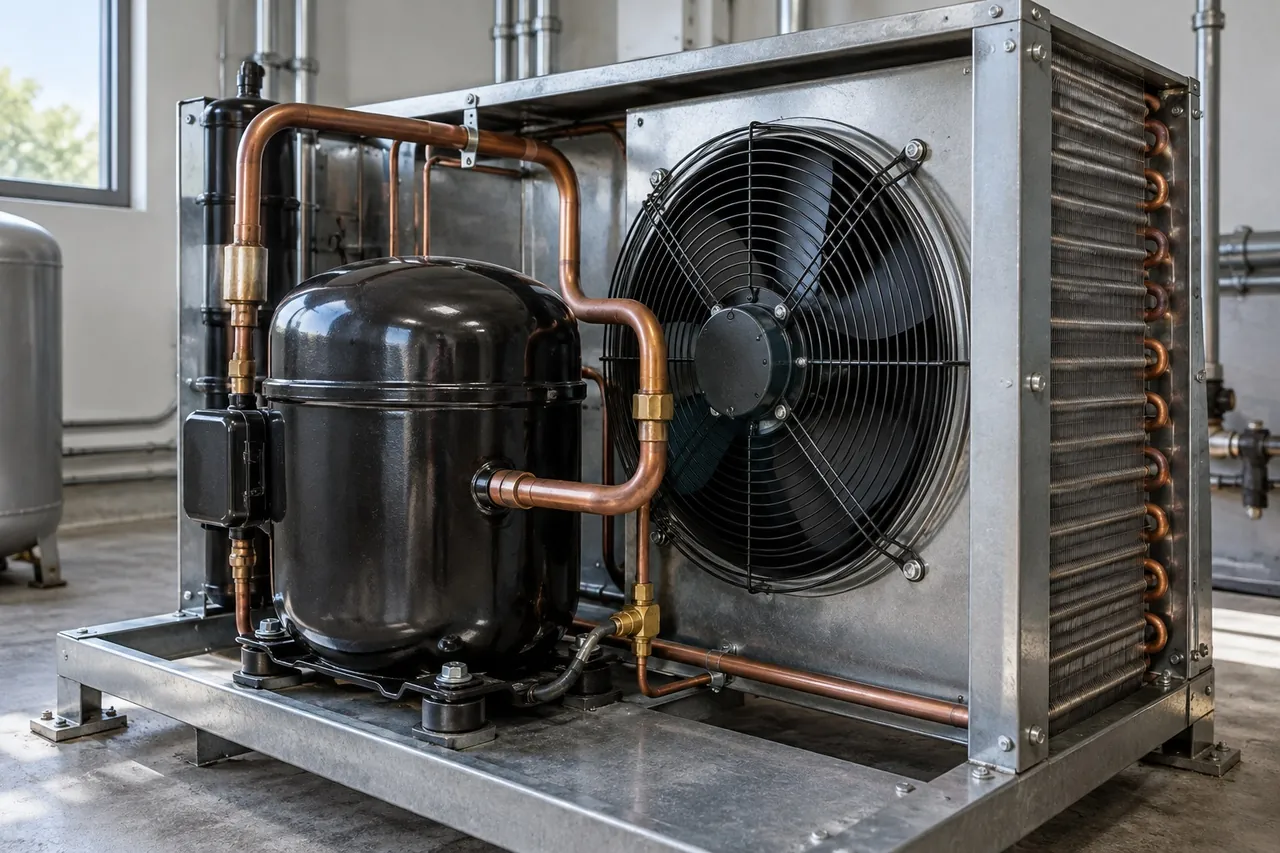
Technical9 min read
How Does a Refrigerator Compressor Work? Types for Fridges and Cold Rooms
The compressor is the heart of every fridge, freezer, cold room and ice cream machine. Here is what it does, how it works and which type suits which job.
Read the guide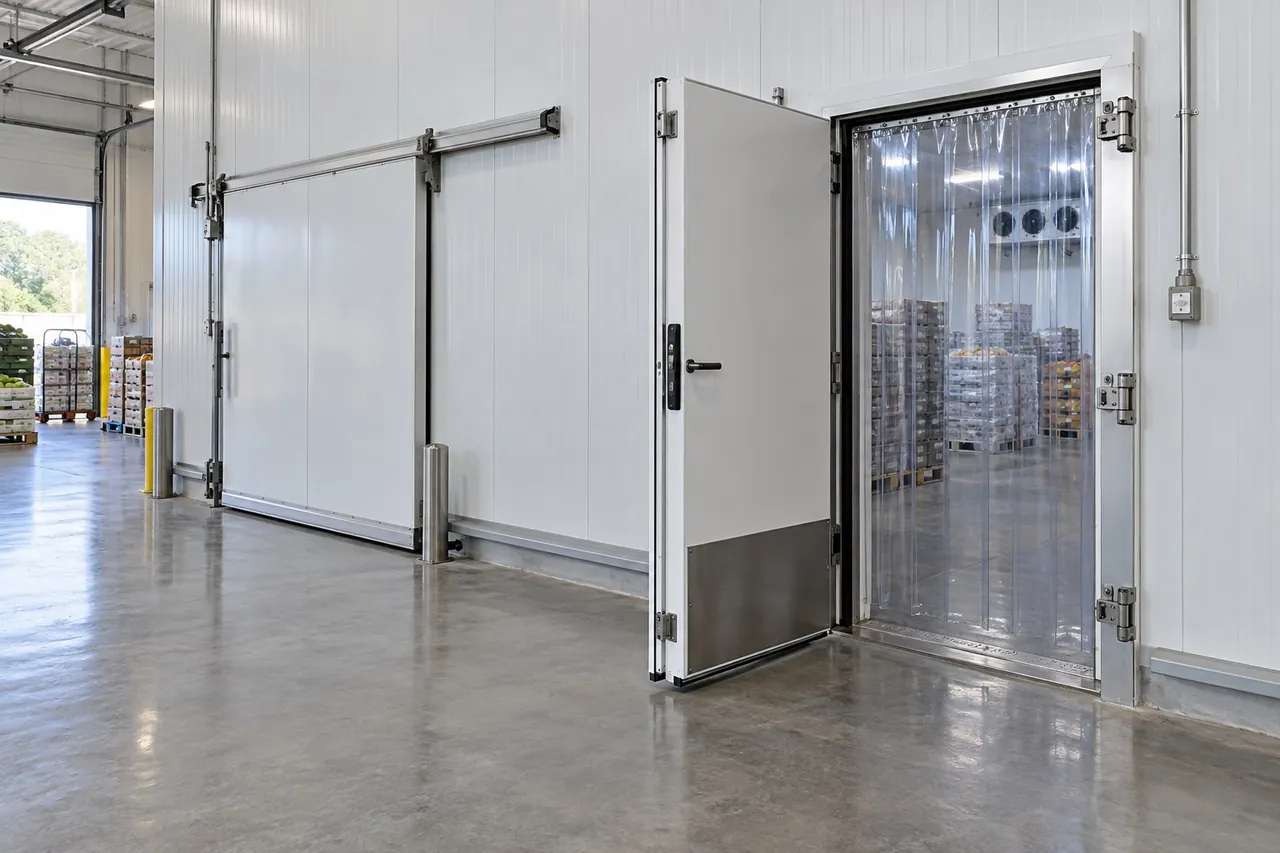
Buying guide9 min read
Walk-In Cooler Door Guide: Hinged, Sliding, Glass and Strip Curtains
The door is the busiest and leakiest part of any cold room. Choosing the right type, size and seals saves energy, ice and repair calls.
Read the guideMore guides on this topic
- Under-Slab Insulation for Walk-In Cooler and Freezer Floors
- Cold Room Temperature Monitoring System: Sensors, Data Loggers and Alarms
- Cold Storage Temperature Chart: Ideal Temperatures and Humidity by Product
- Cold Storage Warehouse Construction: Design, Panels, Refrigeration and Cost
- Reefer Container Sizes: 20 ft vs 40 ft Dimensions and Container Cold Rooms
- Commercial Refrigeration Maintenance Checklist for Fridges and Cold Rooms
- Insulated Metal Panels (IMP): Types, R-Values, Thickness and Price
- Metal Roof Panels and Insulated Roof Panels: Profiles, Spans, R-Values
- SIP Panels vs Insulated Sandwich Panels: Structure, Cost and Uses
- Insulated Wall Panels: Exterior, Interior and Cold Store Wall Systems
- Mineral Wool Insulation and Rock Wool Sandwich Panels: Fire and R-Value
- Insulation R-Value Chart: Foam Board, Fiberglass, Mineral Wool and Panels
- How to Build a Walk-In Cold Room: Panels, Floor, Door and Refrigeration
- Cold Room Panel Thickness: How to Choose 75, 100, 150 or 200 mm
Related
More from this line.
Request a quote